
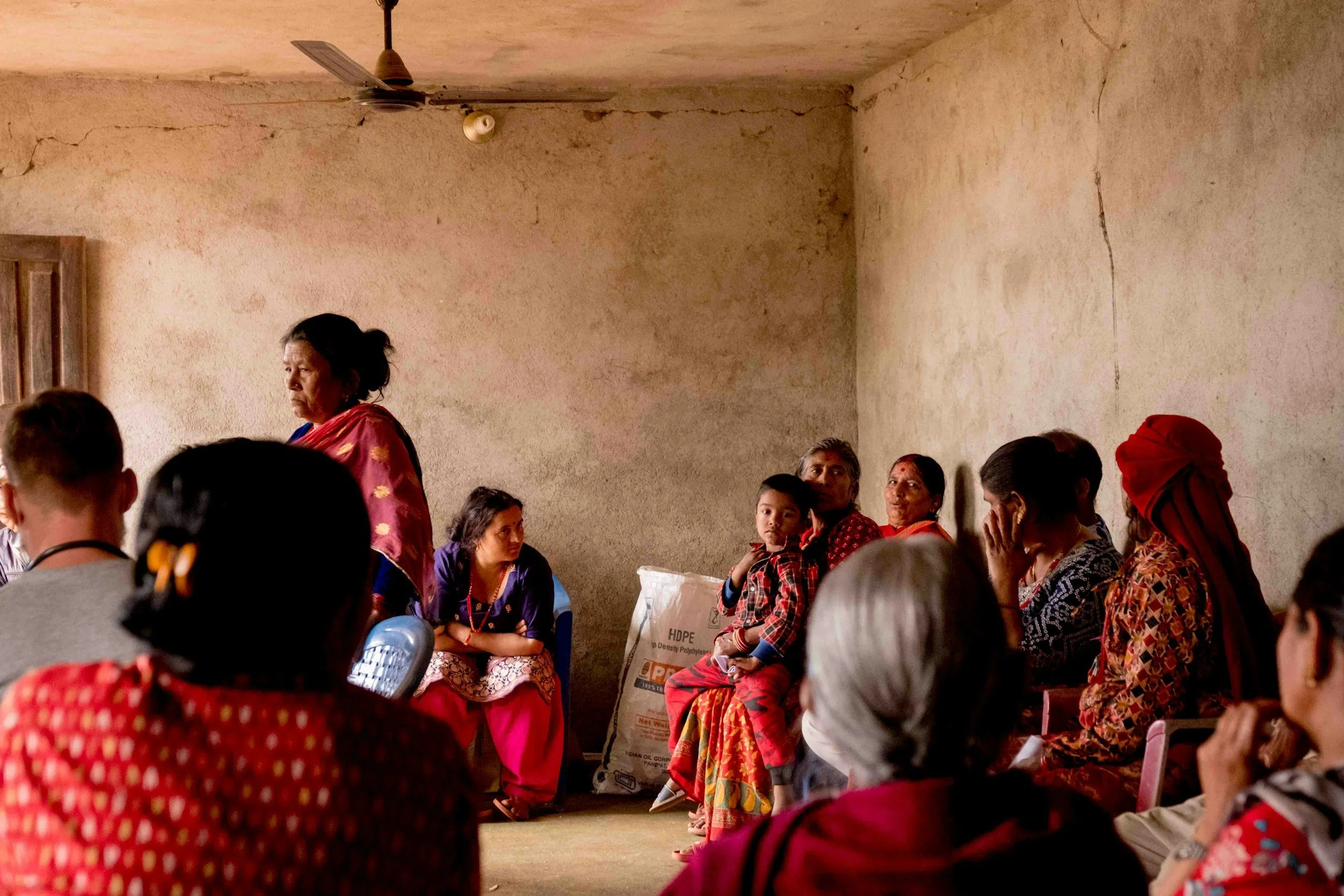
Without women organisations, access to justice is only rhetorical
Without women organisations, access to justice is only rhetorical
Women’s organizations in conflict-affected countries sit at a fraught intersection of violence, law, and survival. They are often the first – and sometimes the only – actors that survivors of gender-based violence can safely approach. Yet their access-to-justice work unfolds in environments where formal systems are weak, politicized, or themselves sources of harm.
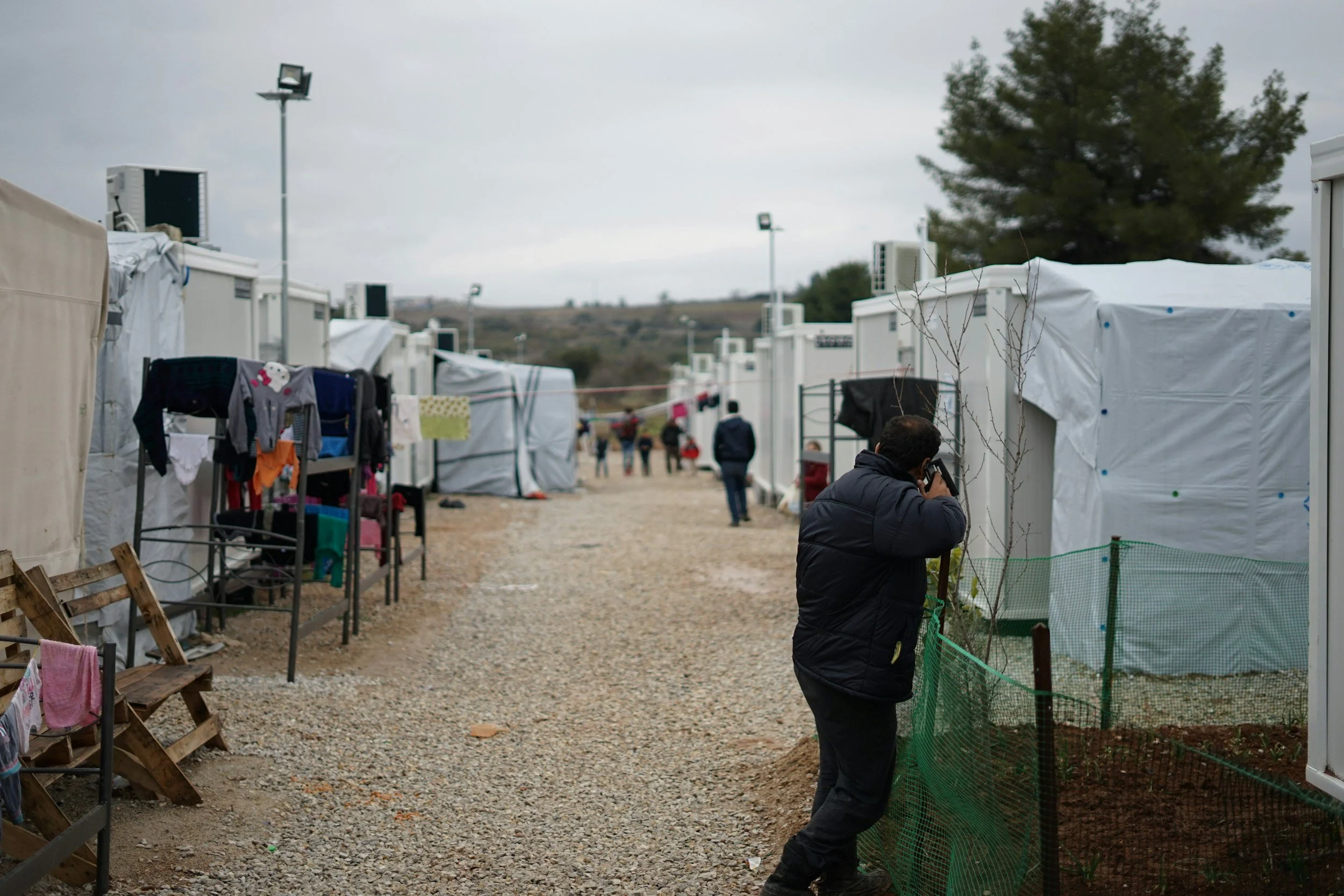
Protection in refugee camps
In refugee camp settings, women’s organizations have had to strategise to and create low-threshold, women-only spaces inside or adjacent to camps.
These may be framed as “women’s centers,” legal clinics, or multipurpose safe spaces, but their protective function is similar: they offer a discrete entry point where survivors can seek information, psychosocial support, and legal advice away from the surveillance of family members, community leaders, or camp authorities. Staff use these spaces to quietly map risks within the camp – unsafe latrines, unlit paths, exploitative distribution points – and to adjust programming, referrals, and advocacy accordingly.
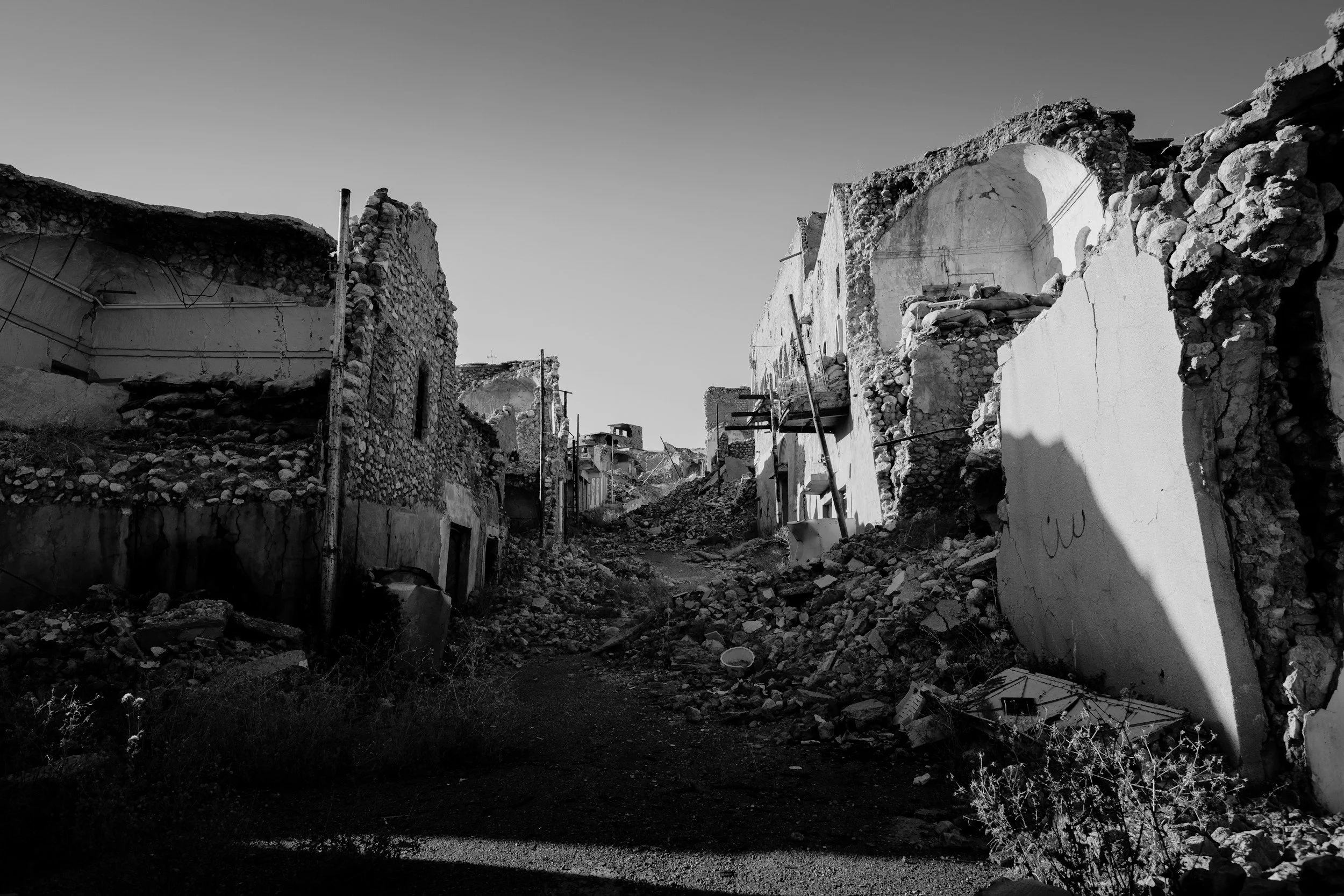
The impact of war on women
War and displacement strip away many of the social, legal, and economic protections that women rely on, exposing them to layered forms of violence and discrimination. These harms do not begin with conflict, but the breakdown of institutions, displacement, and militarization intensify existing gender inequalities and create new risks.
Sexual violence is one of the most visible and devastating forms of abuse in wartime. Women and girls are raped by armed actors, militias, and sometimes members of their own communities, as a tactic of terror, punishment, or ethnic cleansing. Conflict conditions often make such violence effectively consequence-free for perpetrators: institutions that should investigate and prosecute are weakened, partial, or party to the conflict; survivors fear retaliation, stigma, or forced marriage to their assailant. Many never report, carrying the physical and psychological impacts in silence.
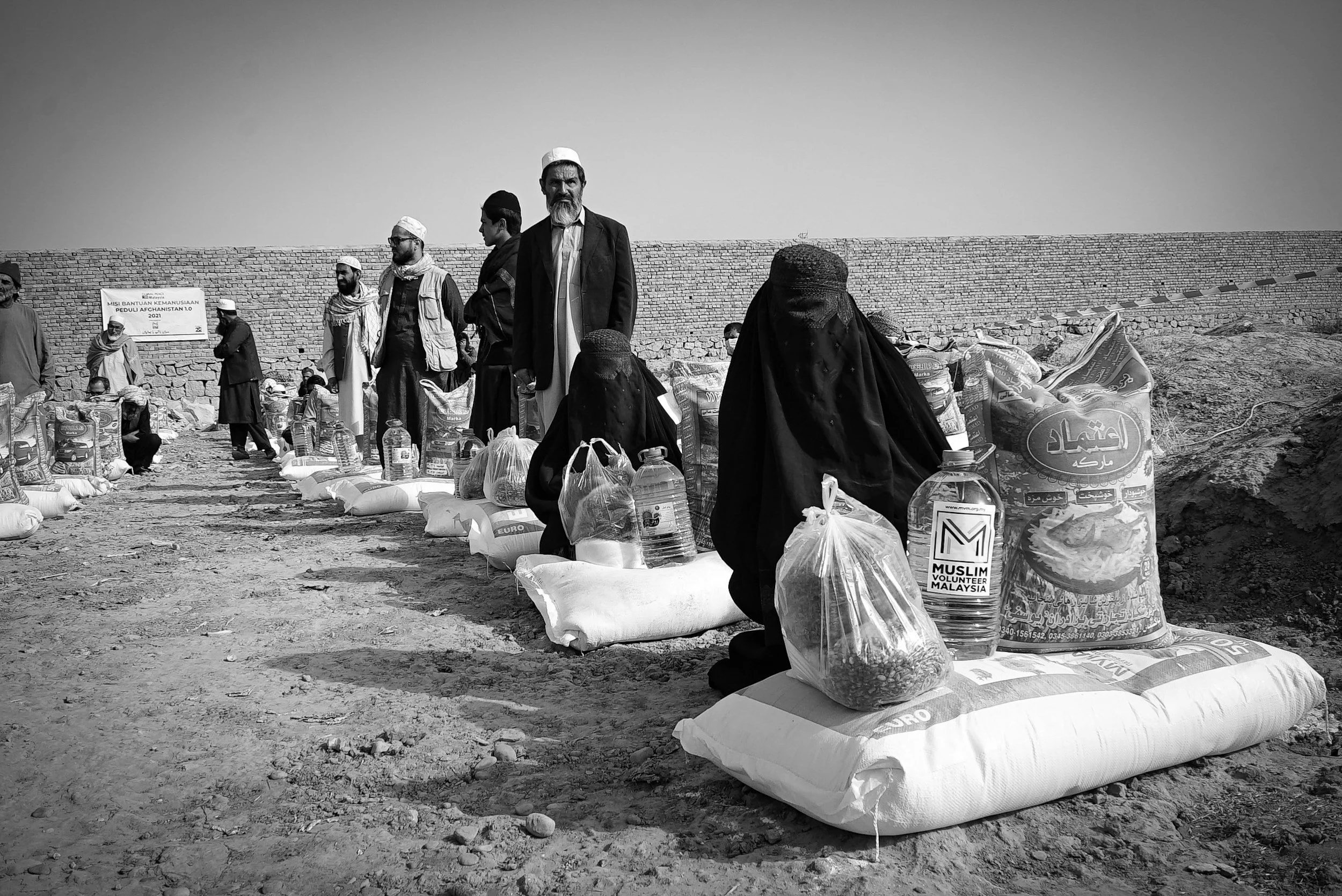
How coordination around gender-based violence responds works in humanitarian settings
Gender-based Violence (GBV) clusters in humanitarian settings are the mechanism through which agencies try to make prevention, risk mitigation, and survivor services more coherent across a crisis response. In practice, local women’s organizations are often essential to this system because they bring survivor trust, contextual knowledge, and operational access, while also coordinating with UN agencies, international NGOs, line ministries, and local authorities.
How the system works
Under the humanitarian cluster system, gender-based violence coordination typically sits within the Protection Cluster as the GBV Area of Responsibility or, at country level, a GBV sub-cluster or working group. A GBV sub-cluster’s core functions include supporting service delivery, informing strategic decision-making, planning cluster strategies and funding appeals, ensuring monitoring and evaluation, building national capacity, and supporting advocacy.